
How to Organize a Wardrobe Cabinet by Season Instead of Category
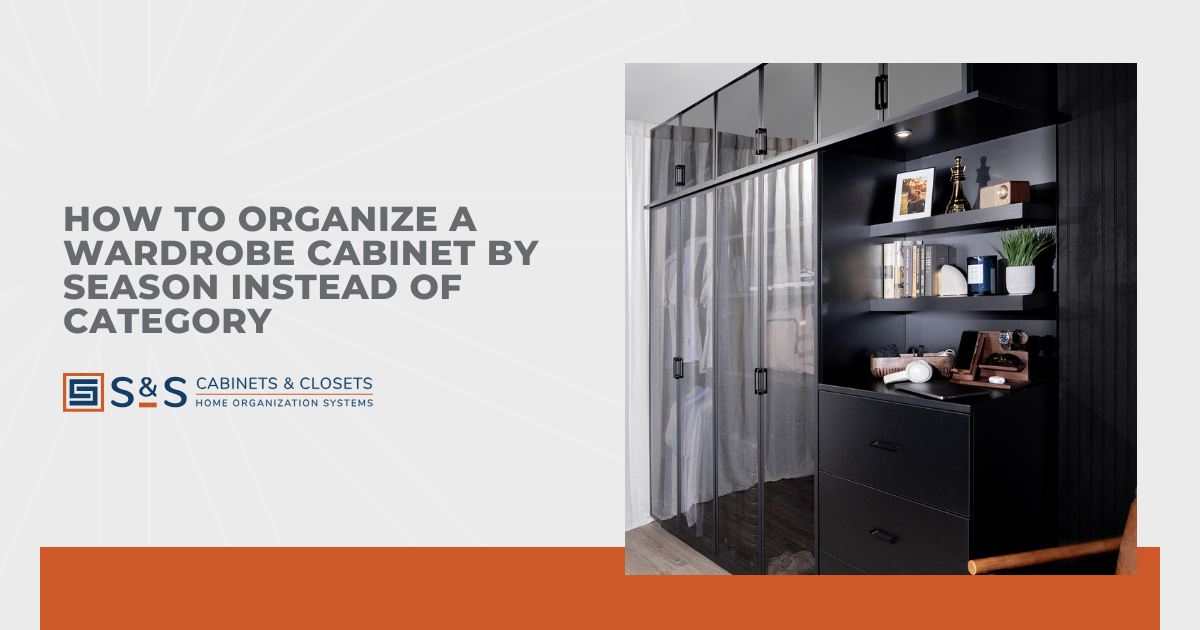
Most people organize a wardrobe cabinet by category, grouping all shirts together, all pants together, and all sweaters on one shelf. This system works fine in theory, but it quietly falls apart the moment the weather changes. Come winter, you're still digging past tank tops and shorts to find a sweater, even though you haven't worn those summer pieces in months. The categories stay tidy, but the cabinet itself stops working for the season you're actually in.
Seasonal organization solves this by matching your cabinet's layout to what you actually need day to day. You group items by when you wear them, then rotate that grouping as seasons shift. This small change makes mornings faster, since everything within reach is already weather-appropriate. It also protects the clothes you're not wearing right now, since off-season pieces are set aside properly and stop crowding what you actually wear.
A few practical shifts I've seen work well turn a wardrobe cabinet into a system built around the seasons:
- Divide your cabinet into active and dormant zones
- Rotate clothing at each seasonal shift
- Keep transitional pieces in a dedicated middle section
- Pair seasonal accessories with their matching clothing
- Use bins or garment bags for off-season storage
- Label shelves and sections by season
- Reassess and edit each time you rotate
Some of these shifts sound simple until you see how much they change.
Divide Your Cabinet Into Active and Dormant Zone
A wardrobe cabinet works best when it mirrors how you actually get dressed each morning, not how items are categorized on a store shelf. Splitting the cabinet into two zones gives you a dedicated space for what you're wearing right now and a separate space for everything waiting its turn. The active zone holds current-season clothing at eye level and within easy reach. The dormant zone can sit on higher shelves, lower drawers, or the back section of the cabinet, wherever it's least likely to interrupt your daily routine.
This setup removes the guesswork that comes with digging through mixed-season clothing every morning. I've noticed that most of the frustration people feel with a cluttered cabinet comes down to this exact mismatch, not a lack of space. You're not sorting through heavy sweaters to find a T-shirt or pushing aside shorts to grab jeans. Everything in the active zone already fits the season, so getting dressed takes less time and less thought.
Pushing off-season items to less accessible spots frees up the space that actually gets used every day. It also keeps the cabinet feeling organized rather than crowded, since clutter tends to build up fastest in the areas you reach for daily. With both zones clearly defined, the rest of the seasonal system has a clean foundation to build on.
Rotate Clothing at Each Seasonal Shift
Seasonal rotation is the tip that makes the active and dormant zones actually work. As the weather changes, swap what's in each zone so your wardrobe cabinet always reflects the season you’re in. Warm-weather clothing moves to the dormant space, and cold-weather clothing takes its place up front. This keeps the cabinet functional year-round without requiring a full reorganization every few months.
Timing this rotation matters as much as the swap itself. Doing it too early leaves you without the right clothes on hand when a cold front or heat wave hits early. Doing it too late means you're still storing bulky winter coats during warm weeks when closet space is tight. A good rule of thumb is to rotate a couple of weeks ahead of the season's typical start in your climate, adjusting slightly based on that year's forecast.
This step also doubles as a natural checkpoint for your wardrobe cabinet's layout. Pulling everything out to rotate makes it easy to find pieces that shifted zones or accessories that never made it back to their spots. A quick rotation twice a year keeps the whole system running smoothly, with far less effort than reorganizing from scratch each season.
Keep Transitional Pieces in a Dedicated Middle Section
Not every item in your wardrobe cabinet belongs strictly to summer or winter. Light jackets, cardigans, and long-sleeve shirts are often worn across several months, especially during the weeks when mornings are cool and afternoons warm up. Filing these pieces into either the active or dormant zone forces a choice that doesn't quite fit, since they're needed on and off throughout the shift between seasons.
A dedicated middle section solves this by giving transitional pieces their own space between the two main zones. This keeps them visible and accessible without crowding the clothes you're wearing daily or burying them in off-season storage. It also means you're not second-guessing which zone a piece "should" belong to every time you do laundry.
In my experience, this middle section tends to get the most use during the actual shoulder seasons, spring and fall, when the weather itself can't decide what it wants to do. Keeping these pieces together in one spot means you can grab a layer without digging through either zone. It's a small addition to the wardrobe cabinet's layout, but it prevents the most commonly worn transitional pieces from ending up scattered or forgotten.
Pair Seasonal Accessories With Their Matching Clothing
Accessories often end up separated from the clothing they're worn with, tucked into a drawer or bin that has nothing to do with the season currently in rotation. Scarves, gloves, and beanies get grouped together in one spot, while the sweaters and coats they pair with sit somewhere else entirely in the wardrobe cabinet. This split adds an extra step to getting dressed, since building one outfit means checking two separate areas.
Storing accessories alongside their matching seasonal clothing closes that gap. A winter scarf and gloves can sit on the same shelf as the coats you'd wear them with, while sun hats and lightweight belts stay near summer outfits. This small shift means everything needed for a full outfit is already in one place, without extra searching.
This pairing also makes the seasonal rotation faster overall. When it's time to swap zones, accessories move along with their matching clothes instead of requiring a separate sorting pass. Fewer stray scarves end up forgotten at the bottom of a drawer, and the cabinet stays easier to navigate no matter which season is active.
Use Bins or Garment Bags for Off-Season Storage
Clothes left loose in a dormant zone tend to wrinkle, collect dust, or attract moths faster than clothes stored properly, even inside a closed wardrobe cabinet. Off-season items sit untouched for months at a time, so they need more protection than something worn and washed every week. Bins and garment bags create that extra layer of protection without taking up much additional space.
Breathable garment bags and stackable bins each suit different types of clothing:
- Garment Bags: These work well for structured pieces like coats and blazers. They keep dust off without trapping moisture against the fabric, which helps the material hold its shape between seasons.
- Bins: These suit folded items like sweaters and jeans, especially in a dormant zone on a higher shelf or lower drawer. Stackable designs make the most of vertical space while keeping folded pieces from shifting out of place.
Choosing the right container for each type of clothing keeps everything in better condition when it's time to rotate it back into use. This step also keeps the wardrobe cabinet looking tidy even in the sections you don't use daily. Loose piles of off-season clothing tend to shift and slump over time, making the whole cabinet feel disorganized even if the active zone is in perfect shape. Bins and bags hold their shape and stack cleanly, so the dormant zone stays just as orderly as the one you use every day.
Label Shelves and Sections by Season
A wardrobe cabinet with clear labels removes the need to think through the system every time you rotate clothes. Labels marking the active zone, dormant zone, and transitional section make it obvious where each item belongs, even months after you originally set things up. This matters most for anyone sharing the cabinet with a partner or family member, since the labels keep everyone on the same page without extra explanation.
I've noticed that even a system that feels intuitive when you first organize it tends to get fuzzy after a few months. You might forget which shelf held summer shorts versus which one held workout gear, or where the transitional pieces ended up. A simple label on each shelf or bin eliminates that guesswork completely, so the system holds up long after the initial setup.
Labels don't need to be elaborate to work well. A basic label maker, or even a piece of masking tape and a marker, gets the job done just as effectively as a printed label system. What matters is consistency, since every shelf and bin should follow the same labeling approach so the whole wardrobe cabinet reads clearly at a glance.
Reassess and Edit Each Time You Rotate
Every seasonal rotation is a natural opportunity to look at what's actually in your wardrobe cabinet and decide what still earns its spot. Clothes that didn't get worn last season, items that no longer fit, or pieces that are worn out from repeated use are easiest to spot the moment they come out of storage. Reviewing them now takes far less effort than doing a full closet cleanout later.
This kind of ongoing edit keeps the cabinet from slowly filling up with items you no longer need. Each rotation becomes a checkpoint rather than a chore, since you're only reassessing the season's worth of clothing in front of you at that moment. Donating, discarding, or setting aside items for repair during this step keeps the collection manageable long term.
Skipping this step tends to catch up with you eventually. Bins and shelves fill past capacity, forgotten pieces pile up in the dormant zone, and the whole system starts to strain under the weight of clothes nobody's wearing. A quick edit twice a year keeps the wardrobe cabinet running the way it's supposed to, with space for what you actually use.
Conclusion
Seasonal organization turns a wardrobe cabinet into a system that actually keeps pace with the weather. It's a small shift, but it makes a real difference every single morning. No more digging through winter sweaters in July or shivering while you search for a coat buried behind summer clothes. Once the rotation becomes a habit, getting dressed stops feeling like a chore and starts feeling easy again.