
Garage Workbench Organization Tips to Speed Up Every DIY Project
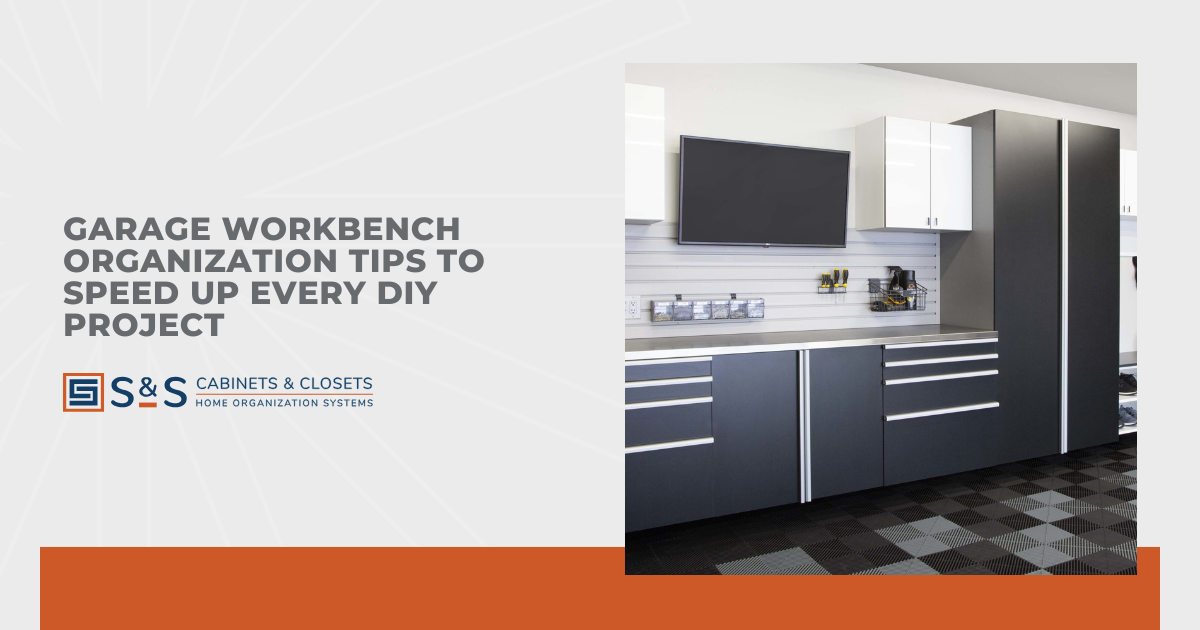
If your garage workbench isn’t working for you, it’s silently slowing down every DIY project you tackle. When I finally dialed in the setup of my own workbench, I noticed how much more smoothly each project went. I could find tools faster, focus longer, and move through tasks without the usual stops and starts. Even small organization upgrades made a noticeable difference in how efficiently I worked.
A clutter-free workspace also supports better creativity and accuracy. I’ve realized that when everything has a clear home, I spend less time searching and more time actually building. That shift alone makes DIY projects feel far more manageable and enjoyable. Once you find systems that fit your style, it becomes much easier to stay organized without overthinking it.
Below are the essential strategies every homeowner can use to create a faster, more organized garage workbench.
- Start with a clear work surface
- Use vertical space to free the workbench
- Create tool zones based on project type
- Label everything for instant retrieval
- Add smart storage under the workbench
- Keep hardware sorted and visible
- Install task lighting for a more efficient workflow
- Add power access where you need it
- Maintain a “current project” organization system
- Schedule regular workbench maintenance
With these foundational ideas in mind, you’re ready to explore each tip in detail. Keep reading to learn how small changes can transform the way you work.
Start With a Clear Work Surface
The most effective step you can take is keeping the top of your garage workbench as open as possible. Clutter slows you down, creates frustration, and forces you to work in cramped corners. I like to reset my work surface at the end of each project—or at least weekly—to give myself a clean slate. This habit keeps the bench ready for whatever task comes next.
A clear work surface also helps you avoid costly mistakes. When your focus isn’t interrupted by piles of tools or random hardware, it becomes easier to track your progress. Even complicated tasks feel more manageable when the space in front of you is open. A clean bench truly sets the tone for the entire project.
Use Vertical Space to Free the Workbench
Vertical storage is one of the quickest ways to improve your workbench’s efficiency. Pegboards, slatwalls, and magnetic strips lift tools off the work surface and place them exactly where you need them. High-use tools stay at eye level so you can grab them without digging through drawers. This arrangement maintains a clear bench while keeping tools visible.
- Pegboards: A pegboard offers flexible, customizable tool placement that adapts to your workflow. It keeps frequently used tools visible and easy to grab without interrupting your project.
- Slatwall Panels: Slatwalls provide strong, adaptable storage that works well with hooks, bins, and shelves. They’re especially useful if your tools vary in size or shape.
- Magnetic Strips: Magnetic strips are ideal for metal tools you want within immediate reach. They keep screwdrivers, pliers, and bits organized without taking up drawer or bin space.
- Wall-Mounted Shelves: These shelves give bulkier tools or supplies a home off the workbench surface. They help maintain an open workspace while still keeping essentials nearby
Create Tool Zones Based on Project Type
Organizing tools by the type of work they support eliminates wasted time searching for what you need. Woodworking tools, electrical supplies, and automotive gear each get their own section. When you know where everything belongs, you naturally move through projects faster. This zoning method brings immediate clarity to your workspace.
I’ve found that zoning tools not only reduces clutter but also helps you prep more effectively. When every category has a defined home, you gather what you need before you start, which minimizes interruptions. It’s a simple approach that brings more purpose and flow to your workflow. Over time, this system becomes second nature.
Label Everything for Instant Retrieval
Labels may not sound glamorous, but they are incredibly effective. Clear labeling on drawers, shelves, and bins cuts retrieval time in half because you eliminate guesswork. Even family members or helpers can return items correctly when everything is marked. A few minutes spent labeling saves hours of frustration later.
- Drawer Fronts: Labels on drawer fronts help you quickly locate the exact tool or category you need. They also keep your system consistent so you don't have to open multiple drawers to find one item.
- Clear Bins and Containers: These allow you to see contents at a glance while the label confirms what belongs inside. This combination prevents accidental mixing and keeps materials easy to find.
- Shelving: Labeling shelves creates defined zones for tools, hardware, and materials. It makes cleanup faster because everything has a clearly identified home.
- Hardware Organizers: Labeled organizers make it easy to find small parts like screws and washers without digging around. Over time, this leads to smoother builds and fewer unnecessary purchases.
Add Smart Storage Under the Workbench
The space beneath your garage workbench is prime real estate for organization. Rolling carts, drawer systems, and pull-out bins keep items close without cluttering your main surface. I like placing heavier or less frequently used tools down low where they’re accessible but out of the way. This layered storage approach supports efficiency from top to bottom.
Under-bench storage also helps keep the garage visually open. When everything has a defined place, you’re less likely to stack tools on the work surface out of convenience. I’ve found that having structured lower storage removes clutter before it even starts. It supports long-term organization rather than temporary fixes.
The same layered approach works inside the house, too. After seeing how much under-bench storage helped my garage, I started looking up
closet designers in my area to bring that same structure to our bedroom closets, where drawers and pull-outs keep everything in its place.
Keep Hardware Sorted and Visible
Small hardware often becomes the biggest source of workshop frustration. Sorting screws, bolts, washers, and nails into clear, labeled containers prevents duplication and speeds up your workflow. Drawer organizers or small-parts cabinets make everything easy to see. When hardware stays sorted, you avoid wasted time digging through random bins.
- Clear Divided Containers: These containers keep different hardware types neatly separated and easy to see. They help you quickly assess what you have so you don’t buy duplicates.
- Drawer Organizers: Drawer inserts prevent small pieces from shifting and mixing together. They’re ideal for hardware you use frequently because everything stays exactly where you left it.
- Multi-Drawer Parts Cabinets: These cabinets offer compact, individualized storage for a wide range of hardware. They’re perfect if you have large quantities or varied types of fasteners.
- Labeled Small Bins: Small bins make it easy to store bulk quantities in an orderly way. Adding labels ensures you always know exactly what belongs where.
Install Task Lighting for a More Efficient Workflow
Lighting plays a huge role in DIY accuracy and comfort. Overhead lighting often casts shadows across your garage workbench, especially during detailed tasks. Adding under-shelf LED strips or a clamp-on lamp brightens the workspace and reduces eye strain. With targeted lighting, you work faster and with greater precision.
Improved lighting also contributes to safety and confidence. When you can clearly see measurements, sharp tools, and small components, mistakes are far less likely. Good lighting isn’t just functional—it makes the entire process feel more enjoyable. It’s a simple upgrade that pays off quickly.
Add Power Access Where You Need It
Stretching cords across the garage or searching for an available outlet interrupts your workflow. Adding a power strip, retractable cord reel, or outlet near your workbench keeps tools powered and ready. This upgrade reduces setup time and prevents cords from becoming hazards. Easy access to power creates a seamless working environment.
I’ve found that convenient power access also encourages the use of the right tool for the job. You're less tempted to improvise when plugging something in takes only a second. This small improvement increases both efficiency and safety. It’s a practical upgrade that benefits every type of project
Maintain a “Current Project” Organization System
Tools and parts naturally start spreading out during any DIY project. A dedicated bin, tray, or shelf for your active project keeps everything contained. This system makes it easier to pause and resume without losing track of materials. It also prevents pieces from blending into the rest of your storage.
A “current project” zone supports a smoother workflow overall. When everything related to your task is grouped together, you avoid unnecessary searching or reorganizing. It’s especially helpful for projects with many steps or small components. This habit keeps momentum strong and frustration low.
Schedule Regular Workbench Maintenance
Even the best-organized workbench needs periodic attention. Weekly or monthly resets keep clutter from creeping back in. I like to review what I’ve used recently and remove anything unnecessary. Small, consistent maintenance sessions keep the workspace efficient and enjoyable.
Routine maintenance also helps your setup evolve alongside your needs. As your tools or projects change, your organization should adapt with them. I’ve found that small refinements often lead to noticeable workflow improvements. Staying proactive ensures your workbench continues operating at its best.
Conclusion
An organized garage workbench sets the stage for smoother, more satisfying DIY days. Once things have a place and your workflow feels natural, it’s amazing how much more fun projects become. You don’t have to overhaul everything overnight. Just take it one small improvement at a time. Soon enough, you’ll have a space that genuinely supports your creativity