
How Much Do Custom Garage Cabinets Cost in California?
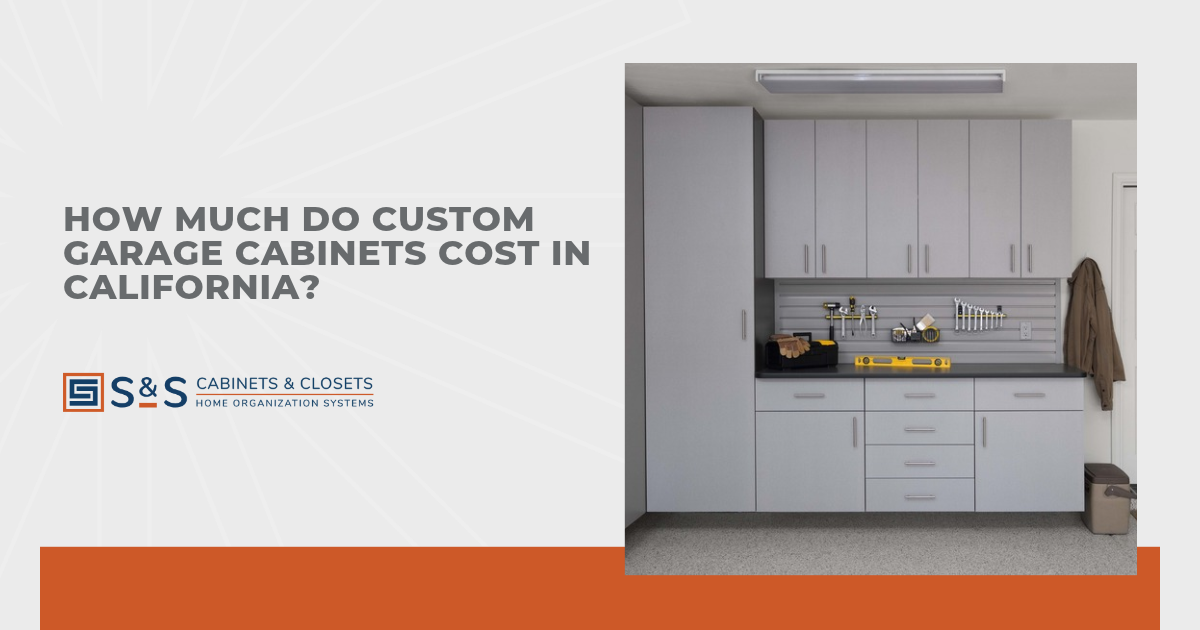
What should you budget for custom garage cabinets in California? You won't find a single answer on a price list, because every quote is built around your garage and the cabinets you choose. Wall length, ceiling height, and the condition of your slab all play a part before you've picked a single color. Your final price comes down to a handful of decisions and site conditions working together.
Once you know which decisions carry the most weight, you can plan a budget with far fewer surprises. Some factors, like cabinet construction and layout, are fully in your hands. Others depend on where you live and how your home was built. With both sides in view, you'll walk into your design consultation knowing where your money goes and where you have room to adjust.
Your budget for garage cabinets in California will take shape around these considerations:
- Construction quality and materials
- Garage size and cabinet count
- Custom sizing and layout complexity
- Workbenches, tool cabinets, and add-ons
- Installation and labor rates in California
- California garage conditions that affect the install
- Warranty coverage and long-term value
- Ways to stretch your garage cabinet budget
The sections below cover how each one affects your total and where you have room to save.
Construction Quality and Materials
Construction quality sets the starting point for your budget. Two cabinets can look nearly identical from across the garage and still differ in what's holding them together. The box material, the backing, the hardware, and the way shelves are reinforced all add to the cost of each unit. Those details also decide how much weight your cabinets can carry and how long they'll keep looking new.
Thermally fused laminate is a common choice for garage storage because it's made to resist moisture, stains, and chipping. Pay attention to mounting style as well, since wall-mounted designs with support legs keep your floor clear while adding stability underneath. A full back panel matters more than you might expect, because it keeps items from slipping behind your storage and adds rigidity to the whole box. Cabinets built without these features usually cost less upfront, and you'll often see the difference later in sagging shelves or loose boxes.
Hardware is where heavier-duty cabinets set themselves apart. Full-extension drawer slides, six-way adjustable hinges, stainless steel components, and aluminum shelf stiffeners all raise the price, and they're worth it in a garage full of heavy tools. I'll admit the spec sheets can blur together, so my advice is to match the build to the heaviest work your garage handles. Paying for more structure than you'll use is one of the easiest ways to overspend on garage cabinets.
Garage Size and Cabinet Count
Wall length is the most direct driver of cost, since more usable wall space usually means more cabinets. A single-wall setup in a one-car garage involves far fewer units than a layout that wraps around a three-car space. You'll pay for every box, door, drawer, and shelf in the plan, so the total climbs quickly as coverage expands. Your garage's dimensions set the limit on how many cabinets can fit.
The mix of cabinet types matters as much as the total number. Tall cabinets use more material than base units, and upper cabinets mounted above them add another layer of cost. A wall of floor-to-ceiling storage holds far more than a row of base cabinets, but it also takes more panels, doors, and hardware to build. Your ceiling height plays a part here too, since a taller garage can fit bigger units or an extra row of uppers.
More garage cabinets won't always give you a better-organized space. Start by taking stock of what you need to store, like tools, sports gear, and household overflow, so your designer can size the plan around your real belongings. A garage that needs only one well-planned wall can stay organized for years, while an oversized layout leaves you paying for space you never fill. Parking deserves a say as well, because every cabinet along a wall takes up depth your car may need.
Custom Sizing and Layout Complexity
Few garages have perfectly clear, evenly sized walls. Water heaters, electrical panels, windows, and side doors break up the space, and garage door tracks limit how high you can build near the front. Cabinets have to work around each of these obstacles, which adds design time and sometimes calls for specialized units. The more obstacles a wall holds, the more planning goes into fitting your storage cleanly around them.
Standard cabinet sizes cover most walls, and choosing them where they fit is one of the simplest ways to keep costs in check. Custom dimensions come into play when a wall falls between standard widths or an alcove needs a precise fit. You'll pay more for a cabinet built to an exact measurement, but you'll also avoid awkward gaps and filler panels that waste usable space. A good designer will mix the two, using custom pieces only where standard ones leave space unused.
Corner runs and L- or U-shaped layouts bring their own planning challenges, since cabinets meeting at an angle need room for doors and drawers to open without colliding. Every extra turn in a layout adds pieces and design work to your plan. Because so much depends on these details, an accurate price usually comes after the design stage. Once your layout is drawn up, you'll know exactly what you're paying for and why.

Workbenches, Tool Cabinets, and Add-Ons
You can stop at storage cabinets, or you can turn your garage into a working space with extras built around your projects. Add-ons raise your total, and some carry more weight than others. Larger pieces like workbenches and tool cabinets add noticeably to a quote, while hardware upgrades tend to make a smaller dent. I notice the garages that stay organized longest usually have a few well-chosen extras and none that sit unused.
Common add-ons that affect your final price include the following:
- Workbenches: A sturdy work surface built into your cabinet run gives you a dedicated spot for repairs and weekend projects, and you can customize it with drawers or shelving.
- Tool Cabinets: Dedicated storage for hand tools, fasteners, and small parts keeps your supplies sorted and close to where you work.
- Upgraded Door Pulls: Full-length aluminum pulls give your cabinets a sleek look and hold up well to daily handling.
Add-ons pay off when they support something you already do in your garage. A workbench earns its cost if you fix bikes or build furniture, but it can turn into a catch-all surface if projects are rare. Picture how you'll use the garage each week, and let those habits decide which extras make the cut. Your budget goes further when every extra on the plan has a job to do.
Installation and Labor Rates in California
Where you live shapes your quote as much as what you install. Labor rates in California tend to run higher than in much of the country, reflecting the state's cost of living and strong demand for skilled trades. Rates also vary within the state, so a project in a dense metro area may price differently than the same layout in a smaller town. You'll see these regional differences show up in the installation portion of your quote.
California requires contractors to hold a state license for many home improvement projects, and a garage cabinet installation often falls within those rules. Licensed contractors carry the costs of bonding, insurance, and compliance, which can make their bids higher than those of unlicensed installers. A lower bid may look appealing, but it can leave you with little recourse if the work falls short. Before you sign anything, you can look up any contractor's license status on the Contractors State License Board website.
A professional installation usually covers delivery, assembly, leveling, and anchoring each cabinet securely to your wall. Removing old shelving or working around a crowded garage can add hours to the job, and hours are what labor costs are built on. You can keep those hours in check by clearing the work area before installers arrive. Skilled installation protects everything else you've paid for, since even the best cabinets won't perform well if they're hung out of level.
California Garage Conditions That Affect the Install
Earthquakes, sloped slabs, and shifting temperatures all affect how cabinets go into a California garage. None of these conditions are unusual, but each one calls for extra care during installation. Some add hardware or prep work to your project, while others shape which materials make the most sense for your space. Your quote may reflect these factors even when the layout itself looks simple.
Three conditions come up often in California garages, and each can affect your install:
- Seismic Anchoring: Cabinets need to be fastened securely into wall studs so they stay put when the ground shakes.
- Uneven Slabs: Many garage floors slope toward the door for drainage, so base and tall cabinets often need leveling to sit straight and keep doors aligned.
- Temperature and Moisture Swings: Coastal humidity and inland heat put stress on materials, which is why moisture-resistant surfaces and rust-resistant hardware matter in a space without climate control.
Proper anchoring and leveling add time to an install, and climate-ready materials can cost more than basic options. Those extra steps protect your investment, because a cabinet that shifts, sags, or swells won't hold up the way it should. Your designer should ask about your garage's slope, wall construction, and exposure during the consultation. Small adjustments made on installation day go a long way toward keeping your storage safe and steady for years.
Warranty Coverage and Long-Term Value
What will your cabinets look like ten years after installation? The answer depends on construction quality, and the warranty behind them shows how much the manufacturer trusts that construction. A strong warranty doesn't lower the price you pay today, but it can reduce what you spend on repairs and replacements down the road. Look closely at the coverage before you compare quotes on price alone.
Many quality garage cabinets come with a lifetime warranty against manufacturing defects under normal use. Coverage often differs for moving parts and accessories, which may carry shorter terms than the cabinet boxes themselves. Damage from misuse or overloading usually isn't included, so ask for the terms in writing. My own preference is to read the hardware coverage first, since hinges and drawer slides see the most wear in a busy garage.
Budget cabinets can cost less upfront, yet you may end up replacing sagging shelves or broken hinges within a few years. Spread across decades of daily use, a well-built system can work out to less per year than cheaper storage you'll replace more than once. Judge garage cabinets by how long they'll last, since the quote shows only part of the cost. The cabinets worth paying for are the ones you won't have to think about again once they're installed.
Ways to Stretch Your Garage Cabinet Budget
Not every wall needs cabinets on day one. Most modular cabinet systems are built to expand, so you can start with the wall that needs help most and add to it later. A smaller first phase spreads the cost across a longer stretch and lets you see how the layout works before you commit to more. Ask your designer to plan the full garage up front, even if you install only part of it, so future additions match in size, color, and style.
Some parts of your garage get far more traffic than others. The wall beside the house door, the area around your tools, and the spot where shoes and sports gear pile up usually see daily use. Cabinets placed in these zones deliver the biggest improvement for the money you spend. Lower-traffic walls, like the back corner where holiday decor sits most of the year, can wait for a later phase.
Enclosed cabinets work best for items that need protection from dust, moisture, or curious hands. Bikes, hoses, rakes, and other bulky gear can hang on slatwall or a wall-mounted rack system fitted with hooks, holders, and baskets. Open wall storage often costs less than filling the same wall with cabinets, and it keeps everyday gear easy to grab. A mix of enclosed and open storage can give you more organization per dollar than cabinets alone.
Conclusion
The price of garage cabinets in California comes from a long list of small choices, and most of them are yours to make. Once you understand where the money goes, a quote stops feeling like a mystery and starts reading like a plan. Spend where your garage works hardest, save where it can wait, and let your storage grow alongside your needs. Good storage earns its cost every time you open a door and find exactly what you came for.